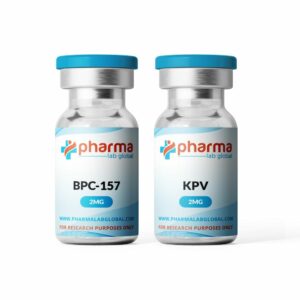
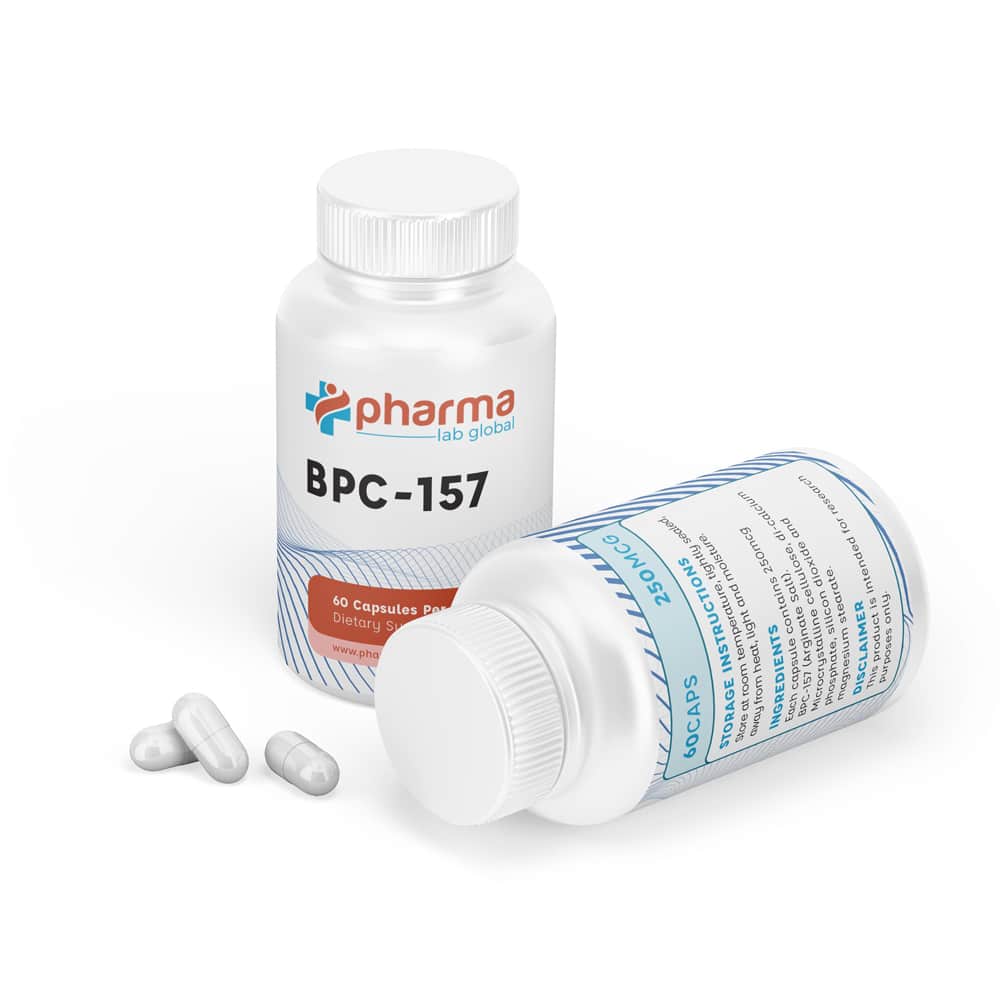
BPC-157, is a synthetic peptide derived from a protein in the gastric juice of humans. With further Denmark clinical research, scientists hope it could hold potential therapeutic benefits and eventually be approved for human consumption for the following applications:
Healing Wounds
The natural purpose of BPC in the GI tract is to protect the mucosal barrier from damaging effects of stomach acid, bile, and other substances essential for digestion and nutrient absorption. This function is mediated by fibroblast activation. BPC 157 increases the proliferation and migration of fibroblasts in vitro and in vivo. In wound healing, fibroblasts play a significant role because they are the cells that make extracellular matrix proteins such as collagen and fibrin [1]. In addition, they also make elastin and other proteins. Furthermore, the BPC-157 research chemical has also proved useful when treating skin burns helping reduce scarring [2].
Tendon Repair
It’s no surprise that BPC-157 has shown promise in treating ligament, tendon, bone, and other connective tissue injuries in animal models. Tendon and ligament injuries heal slowly due to insufficient blood flow. Poor blood flow hinders the arrival of fibroblasts and other wound-healing cells, limiting the overall level of repair. In rat tendons, BPC-157 enhances collateralization and increases fibroblast density in vitro and in vivo studies. Additionally BPC157 appears to be more effective than EFG, bFGF, and VGF hormones in encouraging tissue repair and overall joint health [3].
Collateralization and Vascular Growth
BPC 157 is an effective angiogenic factor, enhancing the rate of endothelial cell proliferation and growth. Denmark Animal studies showed the peptide accelerates collateral blood vessel development in ischemia. BPC-157 may be employed as both a therapeutic peptide for stroke and heart attack and a probative peptide for learning how to enhance recovery after ischemic injury.
Studies in chicken embryos suggest that BPC 157 stimulates vascular development by activating VEGFR2, a cell surface receptor involved in nitric oxide signalling. VEGFR2 may be involved in endothelial cell development, proliferation, and lifespan [5].
Antioxidant Functions
BPC-157 has been demonstrated to reduce nitric oxide and malondialdehyde (MDA) levels in rat studies. According to studies, a potent antioxidant, BPC-157, has been shown to inhibit reactive oxygen species generation in the gastrointestinal system. BPC-157 levels in cells cultured with modified Lactococcus lactis bacteria grow substantially.
Drug Reactions
BPC-157 has been shown to reduce the adverse effects of NSAIDs, psychiatric drugs, and several cardiac treatments. BPC-157 also protects the brain, heart, and other tissues from side effects. For example, studies on rats reveal that BPC-157 can protect against QTc prolongation, which can cause significant and even fatal arrhythmias. Pharmaceuticals used to treat diabetes, schizophrenia, and other psychiatric diseases cause QTc prolongation. Similarly, BPC157 has been demonstrated to reduce psychiatric medication side effects such as catalepsy and sensorimotor disturbance [6].
Gastrointestinal Protection
BPC-157 has shown promise in protecting the gastrointestinal tract due to its ability to promote healing and mitigate damage within the digestive system. This synthetic peptide exhibits gastroprotective properties by enhancing the repair of mucosal tissues, reducing inflammation, and regulating the secretion of gastric acid. By stimulating the production of new blood vessels and supporting tissue regeneration, BPC-157 can help heal gastric ulcers, counteract damage from inflammatory bowel diseases, and maintain the integrity of the gastrointestinal lining including mitigating leaky gut [4]. These actions contribute to the overall health of the digestive tract, with more research, making BPC-157 a potential therapeutic option for gastrointestinal conditions.
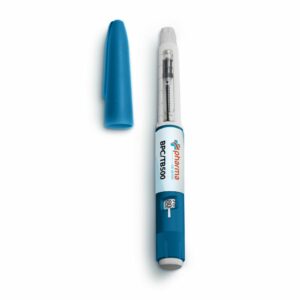
Buy BPC-157 Pre-Mixed Peptide Pen. Pen kits and pre-mixed refill cartridges supplied by PharmaLabGlobal Denmark for research purposes.